chat
send private message
dkbluebears
send

message sent

joined may 2024
share dkbluebears and generate bitcoin with reference codes.
0 topics on dkbluebears
52 posts by dkbluebears
1 post
+4 votes

Best sport stoned?
Darts 78 180’s the last year most have been when stoned but do tire quicker when high.



Deffo 💯 used to fish as a nipper and finally got round to getting back into it a couple of years back. Even had a guy who dropped off at me local spot 🤣🐟🎣



Fishing tops it for me, pool and darts too,nothing too energy intensive but swimming is always good

I hit the gym stoned, take saunas stoned, go mountain hiking stoned, go cycling stoned, but there is zero competitive nature... As I'm lazy!


I love having a smoke and going mountain biking , turning my phone off for a few hours and just going out and getting lost in the forest

You hit the nail on the head, when the suns out like today, jump on the bike and hit the forest, big joint and then ride. Bliss!

Yep exactly what I like to do too, I named a bench near the start of my local trails 'spliff bench'.
I had planned to do exactly that today, but got covid for Easter instead.
I had planned to do exactly that today, but got covid for Easter instead.

snowboarding gets the gold. well until they take it back

Archery is fun. I once bought from a guy who had a bunch of targets set up in his garden and would let me shoot a few arrows when I picked up.

Roller Skating with some good tunes in your ears.
Juggling is great once you have some flow.
Juggling is great once you have some flow.
Motocross or just generally anything 2 wheel related
I'll never forget passing around a bong at 6am in the back of a rotten transit van every weekend surrounded by bikes and petrol on the way to tracks like Cheddar Gorge, Apex and Whiteway Barton
flying through the air on a 100kg death machine when you're stoned as fuck is one of the best things I've experienced full stop
I'll never forget passing around a bong at 6am in the back of a rotten transit van every weekend surrounded by bikes and petrol on the way to tracks like Cheddar Gorge, Apex and Whiteway Barton
flying through the air on a 100kg death machine when you're stoned as fuck is one of the best things I've experienced full stop


To watch or participate? If its just to watch I can watch any old shite stoned. Found myself watching lawn bowls once, but you can't beat topless volleyball. To participate being stoned, well, gotta be driving, personally I drive much better after a smoke and have more patience with others. The fact I have no licence for a year is a testimony to that, dunno why the courts don't share my opinion, cunts

the fishing lot have this sewn up and i didnt need to read past the first few, four of you got there before me.
i reckon its because fishing is the one where sitting about doing nothing for an hour is the actual point of it, so being stoned stops being a handicap and turns into an advantage.
darts though. im defending darts. theres something about genuinely not caring whether it goes in that makes it go in.
i reckon its because fishing is the one where sitting about doing nothing for an hour is the actual point of it, so being stoned stops being a handicap and turns into an advantage.
darts though. im defending darts. theres something about genuinely not caring whether it goes in that makes it go in.



"Extreme Couch Olympics: The Ultimate Sport for Stoned Spectators!"

1 post
+4.5 votes
14g
started topic

14g
Greetings,
I’m looking for half an ounce fairly cheap but still good quality.
Anyone recommend?
Cheers,
I’m looking for half an ounce fairly cheap but still good quality.
Anyone recommend?
Cheers,

I'd second Radar Breeder: solid vendor with a long history.
If you're in the market for budget weed, "buy the seller" is even more important than usual.
Bargain-hunters are an easier mark, than punters with the money to be more choosy.
If you're in the market for budget weed, "buy the seller" is even more important than usual.
Bargain-hunters are an easier mark, than punters with the money to be more choosy.


Radar do some B grade options the amnesia is my personal favourite, no shake or dust just smaller buds maybe abit leafy but still fresh smoke. 💚

We do half oz's, only have shake or hash available at the moment though. Bud all sold out.
DoctorGreen
DoctorGreen
Can vouch for this guys shake, loaded with trichomes, got a much larger amount of very gassy kief than I have from other shakes at the same price, Turned the rest into daytime cookies.
It even smokes okay for shake, obviously has a harshness to it but still plenty of flavour there on the inhale and exhale. I imagine it vapes lovely.
If you want to go up in price then Radars mixed b grade is very nice for the price if you like a variety.
Unfortunately the common theme I have had from the bigger sellers is all their bud is being stripped of all its trichomes to make other products. On the surface the buds have little to no shine whatsoever yet when you break them open you start seeing plenty of the beauties. This doesn't sit right with me, currently waiting on some home grown lemon haze which hopefully has been treated with more care.
It even smokes okay for shake, obviously has a harshness to it but still plenty of flavour there on the inhale and exhale. I imagine it vapes lovely.
If you want to go up in price then Radars mixed b grade is very nice for the price if you like a variety.
Unfortunately the common theme I have had from the bigger sellers is all their bud is being stripped of all its trichomes to make other products. On the surface the buds have little to no shine whatsoever yet when you break them open you start seeing plenty of the beauties. This doesn't sit right with me, currently waiting on some home grown lemon haze which hopefully has been treated with more care.

Check out BAD BUDDHA you won’t be disappointed he is not on the wall yet for some reason but definitely should be in my opinion great weed at a really good price.
Link to his page
https://littlebiggy.net/link/OU9Cij
Link to his page
https://littlebiggy.net/link/OU9Cij


I will give recommendations to 3 relatively new vendors ... all trustworthy + delivering on despatch, comms, value + strength .. I have used all 3 myself several times now ...
onestopshop .. ukfastbuds5 .. bad buddha .. all with good 14g options 😎😎
onestopshop .. ukfastbuds5 .. bad buddha .. all with good 14g options 😎😎

If you don't mind it being not all buds, we got fire options of shake and nuggets, come try BritishGrass.
Half ounce is a good spot for cheap but decent on here. Right now there are 223 live half-oz listings from 39 sellers, from £1.55 a gram at the bottom to a middle of the market around £96. her9o874's point about buying the seller is the right one, so once you've got a shortlist by price, open the seller page and read the recent reviews before you order. If you'd rather compare them all in one list than go page to page, I run biggysearch.net/lb/half, which lines up every half-oz listing cheapest per gram first with the seller, rating and review count alongside, each one linking back to the LB page.
Check my page I’m a new vendor trying to get out there got some fire deals 14 grams for £67 small nugs and 🇺🇸 papaya £80 a 14 grams top stuff it’s worth way more I’m taking a big loss trying to get the page running

New vendor here to Littlebiggy. We have an Introductory Offer at the moment. It's 2x 1g strain per order on all of our products except Premium Cali. You can purchase as many times to try out different strains just keep it to 2g max per order.
These are our tiers:
UK per 28g
£135, £150, £165 Tier
Candian per 28g
£157
Cali per 28g
£157, £165, £243 Tier
Check our Introductory listing here:
https://littlebiggy.org/link/PiN38o
These are our tiers:
UK per 28g
£135, £150, £165 Tier
Candian per 28g
£157
Cali per 28g
£157, £165, £243 Tier
Check our Introductory listing here:
https://littlebiggy.org/link/PiN38o
3 posts
+10.2 votes
Half oz
started topic
+ 2 more
Half oz
Hi all,
Looking for a high quality half ounce of weed for my bong.
Any suggestions? Reasonable pricing and decent high I’m looking for.
Cheers,
Looking for a high quality half ounce of weed for my bong.
Any suggestions? Reasonable pricing and decent high I’m looking for.
Cheers,


We've got some bits that might be up your street.
Some killer LCG, Dosi and UK grown MacCubez listed, all clean and high in THC.
I'd suggest asking your bong for its opinion. Note this works better after having a decent smoke 😉
Some killer LCG, Dosi and UK grown MacCubez listed, all clean and high in THC.
I'd suggest asking your bong for its opinion. Note this works better after having a decent smoke 😉

Got some high quality stuff on my page free samples and intro discounts half ounces of some absolute fire for under £70 some for a bit more and it will not disappoint not even the cheapest stuff




Hi Dude,
Not sure how old his post is so sorry if you're no longer looking.
We have a promo running ATM which is a 3.5 of high quality Diesel Breath for $5 including shipping. If you have any questions about the terpene profile etc please message me and I will be glad to help.
Peace!
Not sure how old his post is so sorry if you're no longer looking.
We have a promo running ATM which is a 3.5 of high quality Diesel Breath for $5 including shipping. If you have any questions about the terpene profile etc please message me and I will be glad to help.
Peace!

1 post
+3 votes
Mushroom chocolate
started topic

Spacemen have these, done the trick for me. Very tasty also! ✌🏻💪💚
2 posts
+3 votes

on
{lb help}
Refund
started topic
+ 1 more
on
{lb help}
Refund
Hi, I need a refund on a purchase I made to zaza 10th April. Order wasn’t sent and time has now lapsed from when the order should have been sent. No comms from vendor can you please help.

the refund sequence is explained here, youll get a message from refund borg, have a btc address ready :}
1 post
+2 votes
420 Giveaway
Tires on Netflix with Shane Gillis is very funny

420 Giveaway
I hope everyone gets to enjoy today in the sunshine with lots to smoke.
420 Giveaway
Rules are very simple:
I'm looking for a good comedy, scifi or 420! show that I haven't seen yet.
1 entry per person and 1 suggestion per person
Also add date and time in case of duplicates.
I did the same giveaway when I opened my shop so there will be clues in that post of what was already mentioned.
10g for each show that I decide to watch. Will be choosing up to 3 shows if there will be so many great suggetions as last time.
Entries will be open until Friday (24/04/26) and winner(s) will be announced on Sunday (26/04/26)
420 Giveaway
Rules are very simple:
I'm looking for a good comedy, scifi or 420! show that I haven't seen yet.
1 entry per person and 1 suggestion per person
Also add date and time in case of duplicates.
I did the same giveaway when I opened my shop so there will be clues in that post of what was already mentioned.
10g for each show that I decide to watch. Will be choosing up to 3 shows if there will be so many great suggetions as last time.
Entries will be open until Friday (24/04/26) and winner(s) will be announced on Sunday (26/04/26)
Pineapple Express
Ripped
Half Baked
Don't Be a Menace to South Central While Drinking Your Juice in the Hood
All decent
Ripped
Half Baked
Don't Be a Menace to South Central While Drinking Your Juice in the Hood
All decent
Comedy film I'd go for Withnail & I, and for sci-fi I'll go with the '80s Flash Gordon film. Flash Gordon is basically a psychedelic fantasy, and people need to watch it on shrooms.
Hey CC, hope you're well! I really enjoyed this recently,' Small Prophets' on iplayer, very funny, cool story!
https://www.bbc.co.uk/iplayer/episodes/m002q765/small-prophets
21/04/2026 01:41am
https://www.bbc.co.uk/iplayer/episodes/m002q765/small-prophets
21/04/2026 01:41am

Weeds or plebs,
Couldn’t choose! Both have me in stitches, even when I re watch 😂😂
Thanks for the compliment
420!!
21:08
Couldn’t choose! Both have me in stitches, even when I re watch 😂😂
Thanks for the compliment
420!!
21:08


High Maintenance is a good stoner series 2016 comedy should be available on amazon prime
Thanks for comp CC and gl 2 all other biggas
20/04/2026 @ 19:41
Happy 420 👌🏻
Thanks for comp CC and gl 2 all other biggas
20/04/2026 @ 19:41
Happy 420 👌🏻
Hi CC
My go to 420 SciFi movie is the Heavy Metal cartoon - sex, drugs, sicifi/fantasy & RocknRoll.
It doesn't get any better than that.
My go to 420 SciFi movie is the Heavy Metal cartoon - sex, drugs, sicifi/fantasy & RocknRoll.
It doesn't get any better than that.
If you like Greg Davies and you like comedy I would have to recommend Cuckoo, there was about 5 seasons in the end. There are a few 420 moments as well as general carnage. Very funny!
20/4 6:04pm
20/4 6:04pm

Nice one CC not a lot of time for tv/movies these days but for a sci fi try time trap or comedy this is spinal tap
20/4/26
20/4/26

The Cleaner
Honestly started watching this with 0 expectations and it ended up being hilarious and super unique. Greg Davies doesn't miss
4/20/2026 17:31
Thanks for the competition 😁
Honestly started watching this with 0 expectations and it ended up being hilarious and super unique. Greg Davies doesn't miss
4/20/2026 17:31
Thanks for the competition 😁
Very generous of you CC thank you very much!!
Peep show - British comedy series (17:31, 20/04/2026)
I'm not hugely into tv and movies but I have watched a handful of British comedies and it's very difficult to pick just one and it's crazy how many people I've spoken to who have never heard of Peep show, massively recommended!
Peep show - British comedy series (17:31, 20/04/2026)
I'm not hugely into tv and movies but I have watched a handful of British comedies and it's very difficult to pick just one and it's crazy how many people I've spoken to who have never heard of Peep show, massively recommended!
Lady Dynamite. It’s a comedy series with an element of sci-fi. She’s one crazy lady
24/04/2026 13:46
24/04/2026 13:46

"Mr Inbetween" is a fantastic dark comedy miniseries! 20/30 minute episodes, highly recommended.
22/04/2026 - 13:42.
22/04/2026 - 13:42.

I'd suggest one of my favourite all time movies,
Super Troopers
It's hilarious, great cast and a movie is much easier to watch than a series!
22/04
Super Troopers
It's hilarious, great cast and a movie is much easier to watch than a series!
22/04

It’s in the realm of 420, you should watch ‘how to open your mind’ on Netflix.
21/04/26
22:39
21/04/26
22:39
Sci-fi - killjoys
Bounty hunters travelling through space collecting warrants.
21/0/26 @13:21
Bounty hunters travelling through space collecting warrants.
21/0/26 @13:21
my suggestion would be midnight gospel, its on netflix and is perfect when john monged.
ssray, 21/04/26 14:45
ssray, 21/04/26 14:45

On YouTube but Joey Diaz's stories when chatting with Joe Rogan and on The Church of What's Happening Now are always riotously funny.
21/04/26 @ 10.40
21/04/26 @ 10.40
Half Baked, will always get my vote as my go to stoner film 😭🤣 loads of quotable lines
"I WANNA TALK TO SAMSON!!"
Big love and hope your 420 was smokey 💪💚🔥💨
21/04/2026 9:59am
"I WANNA TALK TO SAMSON!!"
Big love and hope your 420 was smokey 💪💚🔥💨
21/04/2026 9:59am

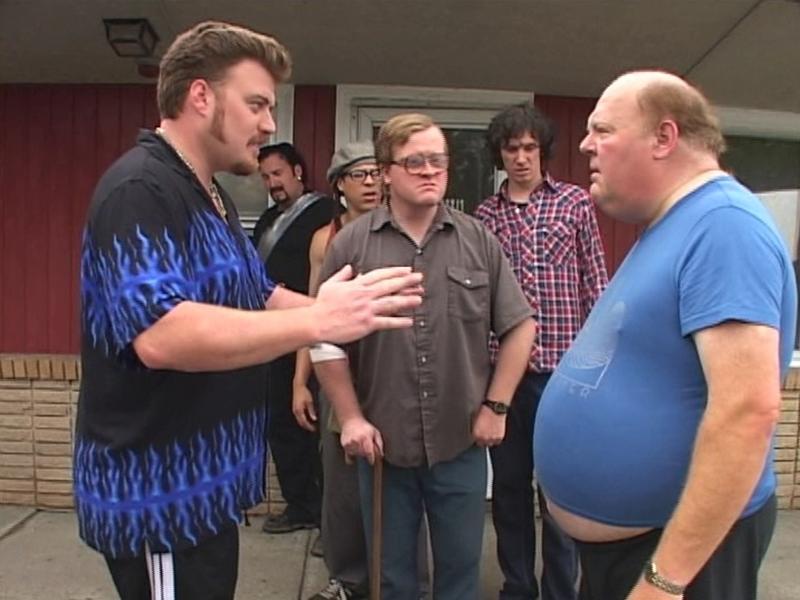
I trust you've already watched the trailer park boys but if you havent then its a must for stoners, youll love it, season 2 to 6 are pure gold its one of the best shows ever made
21/4 thanks
21/4 thanks

Don't know if you're into animated stuff, but the Midnight Gospel on netflix is worth a watch especially after a smoke.
Thanks for the giveaway CC
07:49 21/04/26
Thanks for the giveaway CC
07:49 21/04/26
‘Workaholics’. American sitcom about three stoners working in a call centre. Cult classic 20/04 11;20pm

I love Joe Pera Talks With You.
It's gentle, slow, weird, cosy, heartwarming and really funny. Just what's needed right now.
20/4/26 20:14
It's gentle, slow, weird, cosy, heartwarming and really funny. Just what's needed right now.
20/4/26 20:14

If you haven't already seen it I'd suggest the movie Bugonia. I thought it was excellent.
20/4/26 19:02
Thank you for the comp and thanks again for my recent order, it's a lovely smoke (Afghan smalls - a bargain biggas!)
20/4/26 19:02
Thank you for the comp and thanks again for my recent order, it's a lovely smoke (Afghan smalls - a bargain biggas!)


High potential on Disney plus, show about a single mum helping police solve murders, came onto this after I finished artful dodger, both very enjoyable 20/4/26 18.37

Pluribus is worth a watch if you haven't seen it yet. It's on AppleTV and there's not many shows like it on tv at the moment, I really enjoyed it.
20/04/26 18:35
20/04/26 18:35
Regular show
It’s nothing special but gives me good nostalgia to simpler times and is a classic watch in my opinion and when always the most random shit going on 😂
20/4/2026
6:35pm
Thanks for the giveaway and good luck biggas!
It’s nothing special but gives me good nostalgia to simpler times and is a classic watch in my opinion and when always the most random shit going on 😂
20/4/2026
6:35pm
Thanks for the giveaway and good luck biggas!

Murderbot (2025) - If you want a sci-fi show about a lethal security android that hacks its own governor module just so it can ignore humans and watch soap operas, this is it.
20/4/26
6:15pm
Thanks for the comp 💚
20/4/26
6:15pm
Thanks for the comp 💚

Norsemen, I just binge watched it last week it was great theres some really funny scenes
Watch some clips on youtube first aha
20/04
Watch some clips on youtube first aha
20/04
I usually go for the shows I’d watch as a child, can find a lot more meaning in them as well as a lot more humour
I’m currently watching through Adventure Time again which was my fav as a kid.
Honestly it’s got an insane story that I do not remember it being as in depth as it is
Banger
4/20/2026 17:52
Happy 420 all
I’m currently watching through Adventure Time again which was my fav as a kid.
Honestly it’s got an insane story that I do not remember it being as in depth as it is
Banger
4/20/2026 17:52
Happy 420 all
1 post
+2 votes
Revisiting The Clash's Sandinista
Love the song “Washington Bullets” from this album. Nothing much has changed.
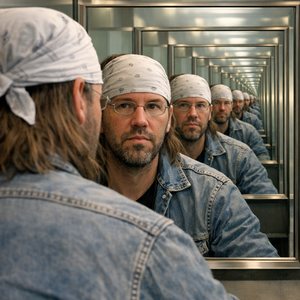
Revisiting The Clash's Sandinista


There is something almost suspiciously contemporary about *Sandinista!*—which is to say that a record released in 1980, now feels less like a period piece than like a dispatch from the exact emotional contradiction a lot of young people currently inhabit: namely, a sincere hunger for justice combined with a basically total distrust of any institution that claims it knows how justice is to be achieved.
The easy thing to say about the renewed attraction of youth to communism is that it is ignorance, cosplay, historical illiteracy, etc., and certainly some of it is that—every generation gets the fantasy that it has discovered a pure and unbetrayed version of an idea that history somehow managed to mangle through mere implementation. But this easy dismissal misses the atmosphere in which the attraction occurs, which is one of late-capitalist humiliation: permanent precarity, algorithmic self-marketing, rent as a form of low-grade extortion, the weirdly universal feeling of being both overexposed and powerless. Under those conditions, “communism” can function less as a worked-out program than as a morally charged No, a refusal of the demand that one accept the present order as the mature and adult one.
And *Sandinista!* understands this kind of political feeling better than almost any “political album” because it is not neat enough to be propaganda. It is a giant, messy, overcommitted, intermittently embarrassing triple album that seems to believe, with a kind of touching recklessness, that if the world is globally connected by money and violence then music ought to be globally promiscuous in response. It takes dub, reggae, gospel, funk, children’s choruses, disco, calypso, and punk and throws them together not with the confidence of a conquering empire but with the enthusiasm of people trying, maybe too hard, to imagine solidarity sonically. There is a difference. The album’s politics are less “Here is the line” than “Look how large the world is, and look how much of it the market teaches you not to hear.”
This is why it still matters now. Young listeners drawn to communism are often—beneath the memes, the iconography, the sometimes slightly undergraduate romance of revolutionary chic—responding to a starvation of the collective imagination. They have been handed a culture in which every value is translated into branding, every dissent into content, every desire into purchasable identity. *Sandinista!* sounds like a band trying to bust out of that conversion system before it fully hardened into the air we breathe. Even its excess—especially its excess—is politically legible. The record refuses optimization. It is too long, too scattered, too sincere in several incompatible directions at once.
What makes the album especially useful, though, is that it also dramatizes the danger in political longing. The title itself invokes revolution in a way that is thrilling and, from the vantage of history, also a little chilling. There is always a risk that the desire for justice attaches itself to an image of purity, and that purity, once institutionalized, becomes its own kind of brutality. *Sandinista!* does not solve this problem; it enacts it. Its anti-imperial commitments are real, but so is its occasional susceptibility to romance—to the idea that being on the side of the oppressed can exempt one from ambiguity, vanity, or error. Today’s young leftists could do worse than to hear that tension rather than flatten it. The album is best not as a manual but as a record of what it feels like to want a better world without yet knowing how to want it cleanly.
And maybe that is its deepest relevance: not that it tells youth attracted to communism they are right, or wrong, but that it takes seriously the ache from which the attraction emerges. It says that boredom is political, that monoculture is political, that whose voices get heard is political, that style itself can be a map of power. But it also says—because the album is too human not to—that solidarity is noisy, compromised, frequently gauche, and still worth attempting. In other words, *Sandinista!* remains contemporary because it understands revolution less as an answer than as a pressure: the pressure exerted on the soul when a society becomes impossible to admire and yet impossible, for moral reasons, to abandon.
The easy thing to say about the renewed attraction of youth to communism is that it is ignorance, cosplay, historical illiteracy, etc., and certainly some of it is that—every generation gets the fantasy that it has discovered a pure and unbetrayed version of an idea that history somehow managed to mangle through mere implementation. But this easy dismissal misses the atmosphere in which the attraction occurs, which is one of late-capitalist humiliation: permanent precarity, algorithmic self-marketing, rent as a form of low-grade extortion, the weirdly universal feeling of being both overexposed and powerless. Under those conditions, “communism” can function less as a worked-out program than as a morally charged No, a refusal of the demand that one accept the present order as the mature and adult one.
And *Sandinista!* understands this kind of political feeling better than almost any “political album” because it is not neat enough to be propaganda. It is a giant, messy, overcommitted, intermittently embarrassing triple album that seems to believe, with a kind of touching recklessness, that if the world is globally connected by money and violence then music ought to be globally promiscuous in response. It takes dub, reggae, gospel, funk, children’s choruses, disco, calypso, and punk and throws them together not with the confidence of a conquering empire but with the enthusiasm of people trying, maybe too hard, to imagine solidarity sonically. There is a difference. The album’s politics are less “Here is the line” than “Look how large the world is, and look how much of it the market teaches you not to hear.”
This is why it still matters now. Young listeners drawn to communism are often—beneath the memes, the iconography, the sometimes slightly undergraduate romance of revolutionary chic—responding to a starvation of the collective imagination. They have been handed a culture in which every value is translated into branding, every dissent into content, every desire into purchasable identity. *Sandinista!* sounds like a band trying to bust out of that conversion system before it fully hardened into the air we breathe. Even its excess—especially its excess—is politically legible. The record refuses optimization. It is too long, too scattered, too sincere in several incompatible directions at once.
What makes the album especially useful, though, is that it also dramatizes the danger in political longing. The title itself invokes revolution in a way that is thrilling and, from the vantage of history, also a little chilling. There is always a risk that the desire for justice attaches itself to an image of purity, and that purity, once institutionalized, becomes its own kind of brutality. *Sandinista!* does not solve this problem; it enacts it. Its anti-imperial commitments are real, but so is its occasional susceptibility to romance—to the idea that being on the side of the oppressed can exempt one from ambiguity, vanity, or error. Today’s young leftists could do worse than to hear that tension rather than flatten it. The album is best not as a manual but as a record of what it feels like to want a better world without yet knowing how to want it cleanly.
And maybe that is its deepest relevance: not that it tells youth attracted to communism they are right, or wrong, but that it takes seriously the ache from which the attraction emerges. It says that boredom is political, that monoculture is political, that whose voices get heard is political, that style itself can be a map of power. But it also says—because the album is too human not to—that solidarity is noisy, compromised, frequently gauche, and still worth attempting. In other words, *Sandinista!* remains contemporary because it understands revolution less as an answer than as a pressure: the pressure exerted on the soul when a society becomes impossible to admire and yet impossible, for moral reasons, to abandon.
1 post
+6.2 votes
Weirdest things seen when high
Ate a big mdma crystal lol and was smoking a bong tripped out massively is hard to describe but I saw photos of people’s lives, random stuff for examp…
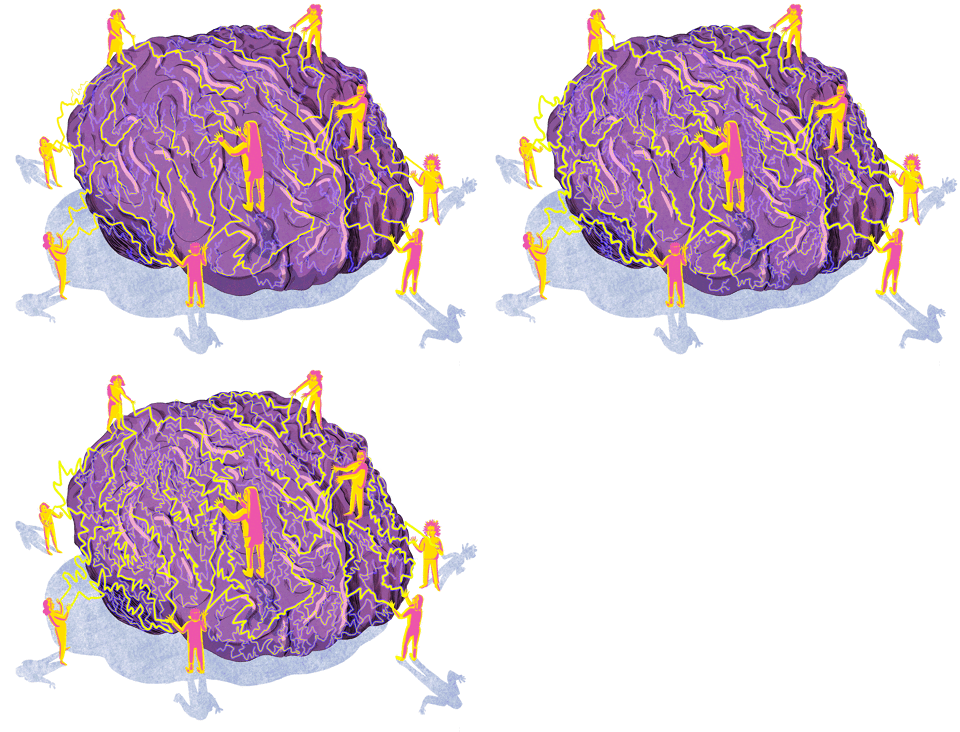
Weirdest things seen when high
What's the weirdest or funniest thing you've seen when high?
A guy I knew was driving home when high & he said he had to stop the car for a t-rex crossing the road 😆
I've seen some incredible things watching psychedelic videos on YouTube when high.
Tell me your experiences guys x
A guy I knew was driving home when high & he said he had to stop the car for a t-rex crossing the road 😆
I've seen some incredible things watching psychedelic videos on YouTube when high.
Tell me your experiences guys x
On shrooms I watched my wall breathing and it kept inhaling and inhaling. I remember telling it to breath out cos it could hold it all in and I honestly saw it exhale and felt the house move 😅
I've also seen a colour I cannot describe but it was amazing and like nothing I have ever seen either before or since
I've also seen a colour I cannot describe but it was amazing and like nothing I have ever seen either before or since

A one-legged, French prostitute tried offering me her wares, whilst I was higher than Mariah Careys greatest xmas hits in Amsterdam. I declined, although a small part of me regrets this now.
You could have piped her then run off without paying, not like she could have chased you.
Idk who's going to hell first, you for saying it or me for laughing.. :D
(I was that high she probably would've put up a half decent chase tbf..)
(I was that high she probably would've put up a half decent chase tbf..)

Not weirdest or funniest but something I see often from psychedelics is I look at a tree and the leaves and branches are growing and growing it's almost like i'm watching a sped up video of the trees lifespan, i'm sure others know what im talking about
very beautiful
very beautiful

Wow - that's amazing! <3
I think there's something similar to what you're describing in Midsommar when they have mushrooms.
I think there's something similar to what you're describing in Midsommar when they have mushrooms.
Was travelling when I was younger and living in Kings Cross Sydney, I’d heard that there was a cafe there that sold a bit of weed if you asked for certain things, anyway went in there, ordered and managed to get some, went back to my flat up the road, skinned up, smoked it and was smashed, put the tv on and they had a live broadcast on the national news if the cafe I’d just left getting full on raided by the police, spun me right out! 😆😂
Walking to the car boot sale at 5am one Sunday morning still mangled and saw a Indian man wearing a turban fall off a church roof land on his arse, say "oh fuck" then ran away 🤔 How or why that was? to this day no fucking idea 😅😁

I once met god, not sure if it was the god, but certainly a god. I've also encountered aliens, visited different dimensions, and watched time run backwards. Gotta love psychedelics!
Ate a big mdma crystal lol and was smoking a bong tripped out massively is hard to describe but I saw photos of people’s lives, random stuff for example a family sat at a beach and I was watching like photo frames of their holiday, it was so real. Then I was in some Middle East country and saw a village that was being pillaged by men with turbans with massive knives it was like a moment from history that I got to watch wouldn’t have been my first pick lol. I saw this thing then it was like the most beautiful piece of art I’ve ever seen it was like a Chinese dragon it was yellow and blue the colours were so vibrant I have no idea what it was but it was absolutely stunning honestly indescribably beautiful not of this world something my mind wouldn’t be able to think up. I started to come down then and opened my eyes and the flinstones was playing on this big mirror in my room. The come down was horrendous I had work the next day, needless to say I didn’t make it in. Unbelievable experience though. Made me realise there is something else.

One night I took a mixture of shrooms and E's with my mates. We went up to local viewpoint on the heath and some of local lads were holding an illegal rave up there. Something that happened every now and then, but not super often.
Had a hell of time raving away, about 30 odd people there all having a great time. Walked off for a piss and when I came back everyone but my 5 mates I came with had fucked off. Weird.
Went over to ask what went on, why had everyone gone? Well that's because it never fucking happened, apparently was just me raving around like a tit on my loansome with my headphones on. Still remember it vividly to this day.
Had a hell of time raving away, about 30 odd people there all having a great time. Walked off for a piss and when I came back everyone but my 5 mates I came with had fucked off. Weird.
Went over to ask what went on, why had everyone gone? Well that's because it never fucking happened, apparently was just me raving around like a tit on my loansome with my headphones on. Still remember it vividly to this day.
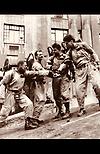
I had the cast of Oceans Eleven (the Clooney one) follow me around the streets of Amsterdam as I strolled around in a blissful haze one Saturday afternoon.
Every corner I turned had one of them going passed me or crossing a cycle lane.
Every corner I turned had one of them going passed me or crossing a cycle lane.

I arrived to a campsite a bit later than planned and the main entrance was blocked off, no contact or anything to get in after hours so we drove about a bit and eventually decided to set up camp on a bit of grass next to an electrical sub station.
Bizarrely we had some battery on the laptop so we put an episode of always sunny in philadelphia on and sparked a spliff. Out of nowhere a helicopter flew over and started circling above us with its search beam blazing. It carried on with its beam over the fields next to us and disappeared. No one ever came to ask us any questions 🤷♂️
Bizarrely we had some battery on the laptop so we put an episode of always sunny in philadelphia on and sparked a spliff. Out of nowhere a helicopter flew over and started circling above us with its search beam blazing. It carried on with its beam over the fields next to us and disappeared. No one ever came to ask us any questions 🤷♂️
On magic laying on my sofa, my mate broke a glass which i stepped on so for the whole trip i thought i was bleeding out. After a while it felt like my breathing was slowing down, i just accepted my fate then the craziest thing happened.
3rd person camera angle went from me on the sofa and started to rise up and i could see me and my mates all in the room as i ascended into heaven. Full out of body experience! Afterwards (still tripping) my girlfriend held me as we watched this Netflix show that made me feel this warm loving feeling that was just indescribable, defo healed inner trauma.
This was my first trip on any psychedelics...
3rd person camera angle went from me on the sofa and started to rise up and i could see me and my mates all in the room as i ascended into heaven. Full out of body experience! Afterwards (still tripping) my girlfriend held me as we watched this Netflix show that made me feel this warm loving feeling that was just indescribable, defo healed inner trauma.
This was my first trip on any psychedelics...

I was on acid in a city centre one Friday (bad idea in the first place), and to cut a long story short I saw a group of clowns that really freaked me out (some fancy dress thing) and a hot air balloon... the hot air balloon thing wouldn't have been abnormal at all if not for the 2 mates I was with telling me I was seeing shit... I didn't wanna freak myself out so didn't think too much into it and didn't look up again. I didn't clock on for like 2 weeks that there actually was a hot air balloon... that's the one time I've tripped in a town/city centre and honestly, fuck that shit. Even just having to walk through/past crowds was a nightmare. Doesn't sound too extreme but you gotta remember that when you're on acid you're a lot more vulnerable and prone to mindfuckery. Also caught a free gig from a car park and saw one hell of a performance by buskers that day.


Had a few dmt sessions, as time goes on you can see those trips and what they were exactly a lot clearer than at the time.
I believe i was in the Prescence of Jesus, he showed me Ezekiels wheel, which i thought at the time was a magic object (it was living tho).
Folks talk about machine elves, it's my opinion now after over a year studying in this field, it's my opinion they are Cherubim.
Ezekiels wheel is a type of Angel like the Cherubim, Eziekels wheel is an Ophanim.
The Cherubs accompany the Ophanim.
*"ophanim" (Hebrew: אוֹפַנִּים, meaning "wheels") refers to a class of celestial beings or entities described in Ezekiel’s vision in the Bible (Ezekiel 1:15-21). They are depicted as wheel-like structures covered in eyes, associated with the throne of God, and are sometimes interpreted as angels or symbolic representations of divine movement and omniscience.
I believe i was in the Prescence of Jesus, he showed me Ezekiels wheel, which i thought at the time was a magic object (it was living tho).
Folks talk about machine elves, it's my opinion now after over a year studying in this field, it's my opinion they are Cherubim.
Ezekiels wheel is a type of Angel like the Cherubim, Eziekels wheel is an Ophanim.
The Cherubs accompany the Ophanim.
*"ophanim" (Hebrew: אוֹפַנִּים, meaning "wheels") refers to a class of celestial beings or entities described in Ezekiel’s vision in the Bible (Ezekiel 1:15-21). They are depicted as wheel-like structures covered in eyes, associated with the throne of God, and are sometimes interpreted as angels or symbolic representations of divine movement and omniscience.

Ate some truffles once called pandoras box ...thought crows were following me and dive bombing me in the park ...apparantly i didnt even leave the house when i ate them ..regret opening that box !!

When George W Bush came to visit the UK, me and a mate were having a smoke on the canal near London Zoo quite near the ambassadors residence.
A rib dinghy thing full of men dressed in black and carrying big guns comes up the canal and starts shining powerful torches.
So we ran away.
A rib dinghy thing full of men dressed in black and carrying big guns comes up the canal and starts shining powerful torches.
So we ran away.

On tabs after walking for 40 min fully deep into my trip outside
Walked down a alley way saw what looked like a wolf with glowing red eyes
Looked away looked back it was gone
Then held onto a fence to gather myself looked up at the night sky and saw only what I can describe as totem pole artwork but very detailed and intricate
Another tabs story nice and short biking home in pitch black in the middle of my trip
It was pitch black no lights no nothing became quite overwhelming quite quick
So I stopped tried to ballence myself
I saw 5-6 people rush over to me really concerned asking if I was ok they were putting there hand on my shoulder
I snap out of it I’m still stood up and my head is halfway in a bush that was draping over the alley
Idk how believable these story’s are but I’ve only visually tripped wile under a lot of stress as to scare me
And the source of the tabs was never reliable so could have been any random similar compound
Thank you 💚
Walked down a alley way saw what looked like a wolf with glowing red eyes
Looked away looked back it was gone
Then held onto a fence to gather myself looked up at the night sky and saw only what I can describe as totem pole artwork but very detailed and intricate
Another tabs story nice and short biking home in pitch black in the middle of my trip
It was pitch black no lights no nothing became quite overwhelming quite quick
So I stopped tried to ballence myself
I saw 5-6 people rush over to me really concerned asking if I was ok they were putting there hand on my shoulder
I snap out of it I’m still stood up and my head is halfway in a bush that was draping over the alley
Idk how believable these story’s are but I’ve only visually tripped wile under a lot of stress as to scare me
And the source of the tabs was never reliable so could have been any random similar compound
Thank you 💚

A GP!
I thought by Christ, I must be hallucinating. These things are rarer than unicorns!
I thought by Christ, I must be hallucinating. These things are rarer than unicorns!
Eating a Q of Soap bar ( It was 1999🙄) then going to see Star Wars episode 1 opening day in July 1999.
Didn't expect much but after 45 mins I was absolutely off my tits 🫠.
After leaving the darkness of the cinema after nearly 3 hours walked outside and the sun hit me and literally knocked me on the floor 😧🥲 next thing I know I look up and a man dressed up as Darth Vader ( He was handing out KFC flyers) and a Taxi driver are trying to get me up off the floor and into a Taxi 😅 I was that fucked I didn't even know where I lived, I just had to grunt and point when I saw somewhere that rung a bell
Didn't expect much but after 45 mins I was absolutely off my tits 🫠.
After leaving the darkness of the cinema after nearly 3 hours walked outside and the sun hit me and literally knocked me on the floor 😧🥲 next thing I know I look up and a man dressed up as Darth Vader ( He was handing out KFC flyers) and a Taxi driver are trying to get me up off the floor and into a Taxi 😅 I was that fucked I didn't even know where I lived, I just had to grunt and point when I saw somewhere that rung a bell
i was once sitting on the wall at the end of my street smoking a joint - this at about three o'clock in the morning and it's a quiet village - when i heard a terrible noise in the distance, a terrible screaming sound moving toward me like someone playing a krzysztof penderecki record on a mobile disco truck - just horrible - and as it got closer and closer, i was getting mildly concerned about what it might be.
then, from out of the darkness into the illumination of the solitary corner streetlamp, came one of my neighbour's cats, a great big thing four times the size of all the others, running down the middle of the road bolt upright on its hind legs, waving its front paws in the air, surrounded by about a dozen other cats all running normally on all fours, all screaming at the tops of their voices. up close, they were quite loud - it was one of the worst, most painful noises i have ever heard, like a classroom full of burning children. they ran right past me, up the hill and over the top until the sound disappeared. the thing was, i wasn't even that stoned - i'd only just lit my bloody joint - and i'm pretty sure this was actually real.
i knew the cat, it was a very expensive looking tiger striped pedigree crossbreed, lovely and friendly and absolutely fearless and rather inevitably went missing not long afterwards. i hope it just got nicked, i really liked it.
then, from out of the darkness into the illumination of the solitary corner streetlamp, came one of my neighbour's cats, a great big thing four times the size of all the others, running down the middle of the road bolt upright on its hind legs, waving its front paws in the air, surrounded by about a dozen other cats all running normally on all fours, all screaming at the tops of their voices. up close, they were quite loud - it was one of the worst, most painful noises i have ever heard, like a classroom full of burning children. they ran right past me, up the hill and over the top until the sound disappeared. the thing was, i wasn't even that stoned - i'd only just lit my bloody joint - and i'm pretty sure this was actually real.
i knew the cat, it was a very expensive looking tiger striped pedigree crossbreed, lovely and friendly and absolutely fearless and rather inevitably went missing not long afterwards. i hope it just got nicked, i really liked it.
Does it count seeing someone else that was high on god knows what "most likely spice" by the looks of it getting arrested while attempting to collect some munchies from the superstore? lol!
So I fancied some munchies as you do when your high, decided I'll take a walk to the local superstore at almost midnight when I was walking through the car park there was some dude with his shirt off, this guy had a little weight on him so as you can imagine he had somewhat "man boobs" jumping up and down while he's chasing these two guys through the car park.
I have no idea why he's chasing these two dudes but my initial reaction was just to stop and stare as I'm absolutely blazed to the moon and back but he ended up hiding behind the petrol pumps at the petrol station attached to the superstore popping out every now and then like a monkey in a zoo.
Anyway I finally made my travels to the actual store and when I had finished on the way back out there was 2 police cars with this guy face down on the ground being cuffed.
I don't live anywhere exciting so was a good experience to see when high for sure 😂.
So I fancied some munchies as you do when your high, decided I'll take a walk to the local superstore at almost midnight when I was walking through the car park there was some dude with his shirt off, this guy had a little weight on him so as you can imagine he had somewhat "man boobs" jumping up and down while he's chasing these two guys through the car park.
I have no idea why he's chasing these two dudes but my initial reaction was just to stop and stare as I'm absolutely blazed to the moon and back but he ended up hiding behind the petrol pumps at the petrol station attached to the superstore popping out every now and then like a monkey in a zoo.
Anyway I finally made my travels to the actual store and when I had finished on the way back out there was 2 police cars with this guy face down on the ground being cuffed.
I don't live anywhere exciting so was a good experience to see when high for sure 😂.

I once saw a cat,pushing a dog in a pram!!
We all saw it although the albert hoffmans were off the wall strong!!
We all saw it although the albert hoffmans were off the wall strong!!

Not weird as such but life changing. Warning this is going to get very dark. Me and my two best mates were tripping on acid. We were probably about 15. Anyway we were in the house of one of them and the other two were talking while I wandered off. Long story short I came back and I thought they were laughing at me. Paranoia struck deep. I suddenly had an extremely strong desire to go in the kitchen and get a knife and stab them. Fortunately something inside told me to walk out and go home instead. Thank fuck I did because if I hadn't my life would have taken a very different course. Sorry, I warned you it was going to get dark. Scares the fuck out of me thinking about it over 50 years later.
Wow! I'm not surprised it scared the fuck out of you. I suppose it's kind of like when you have a dream you do something horrendous to someone you love; it doesn't necessarily reflect how you really feel, and you can feel as though "Dream you" and "Real you" are different, separate people. Thanks for sharing ;) x
I have never told anyone that story before by the way. Kept it locked inside for at least 54 years.
2 posts
+4 votes
on
{lb help}
Kraken fees
started topic
+ 1 more
on
{lb help}
Kraken fees
I’m trying to withdraw £25 and it’s charging me £10 withdrawal fee lol. Normally just charges me pence so not sure why it’s so high anyone know?
Cheers
Cheers
Do you ever use Mempool to check current gas fees? Link above. It's currently 5-10x what it's been lately, but it shouldn't be that high, surely? Is it lots of small payments amalgamated into that amount, as they cost significantly more to send?
24 minutes ago it was over double this currently high rate, so it's probably looking at that rate to send. Keep trying every few minutes until it drops to something reasonable.
24 minutes ago it was over double this currently high rate, so it's probably looking at that rate to send. Keep trying every few minutes until it drops to something reasonable.
Cheers for that pal, I’ll try again tomorrow, shocking how they charge 30% of the value of the transaction should be free under £100
2 posts
+4 votes
Amsterdam
started topic
+ 1 more
Amsterdam
Going Dam 19th May, any cafes anyone would recommend? Looking for a monster pre roll as well if anyone knows of anywhere that sells a decent one? Cheers
Store coffee shop. Beautiful on a sunny day if you can get a seat outside.
Abraxis does excellent smoke but pricey.
Abraxis does excellent smoke but pricey.

I go greenhouse and ask for a bong. They have great food and table service. Super lemon haze is lovely. Cant help with the pre roll sorry

Family First is good
Green place heard the newer store gets nicer bits but bothe good
Surprising prix d ami has got a few decent bits… but if your going there it’s mainly for the chill they got lazy boy couches with movies on rotation and decent munchies/ shakes and that.
More time it’s the fun of exploring and discovering what shop has the banging bits your self
Green place heard the newer store gets nicer bits but bothe good
Surprising prix d ami has got a few decent bits… but if your going there it’s mainly for the chill they got lazy boy couches with movies on rotation and decent munchies/ shakes and that.
More time it’s the fun of exploring and discovering what shop has the banging bits your self

9 posts
+21.8 votes
Coming off the weed with shrooms
started topic
+ 8 more
Coming off the weed with shrooms
Been a smoker for years, I was a problem drinker before I got into weed and it helped get me off the booze for good. I’ve loved being a smoker some great times but it’s just not compatible with my life any more.. too busy with work and my family don’t like it so I have to be secretive which isn’t ideal. Has anyone tried to come off using mushrooms? Has it worked? Would you have any advice? I’ve had mushrooms a few times but no more than 3.5 in one sitting. I feel like I need a mental boost that will enable me to kick the habit.
Cheers,
Cheers,
a half g of some decent shrooms (it'll be shroom season here very soon) will be a nice boost for you.
however myself the no.1 thing i like to do when microdosing shrooms is to puff so you gotta see if the shrooms work for you but for sure a half g or even a full g when you're needing it, it's definitely worth a shot.
Coming off weed you must eat well, good nutritious food.
It's too much for the human body having to deal with a massive change in habit with low quality nutrition, the body needs good fuel to keep you going through it all.
Take care dk.
however myself the no.1 thing i like to do when microdosing shrooms is to puff so you gotta see if the shrooms work for you but for sure a half g or even a full g when you're needing it, it's definitely worth a shot.
Coming off weed you must eat well, good nutritious food.
It's too much for the human body having to deal with a massive change in habit with low quality nutrition, the body needs good fuel to keep you going through it all.
Take care dk.
Have you thought about natural highs... Like learning guitar or working on improving your body shape lifting? Boredom and disconnect lasts about a month with weed withdrawal which feels long when you are in it, but soon passes if you're bsy
i second the nutrition , i usually make pots of chanko and a lot of things like stews etc plenty of veg and good clean proteins.
no problem i used to smoke a lot and i do like an Oz in a week sometimes twice a month then i'll have a week or so off .The more you keep having regular Tolerance breaks the easier it is to do it next time.Its like anything even coffee or chocolate your body will miss it if its a regular thing. try taking st johns wart before bed but don't do it a lot its to boost your serotonin and help you sleep. But don't do it a lot because that can effect your sleep if your body starts to rely on it.
im gonna sound a bit of a hypercrit as ive been smoking on and off for 35 yrs, ive done pretty much everything, there is a wonderful book called allen carr easy way to quit smoking, its for ciggerettes, but if you change that word everytime he mentions it to weed , its pretty much identical, i never smoke fags anymore even in joints, i also no only smoke weed every now and then rather than daily, more of a reward than an addiction, so i may smoke weed a few days then take 2 months off, perspnally the best thing that goes with it, is a gym membership or join a martial art, make sure you go 5 times a week.
that book is the one though, best of luck, its not hard at all, infact your already halfway there and dont realise it. the times i tend to smoke are when im injured, at mo ive got a shoulder injury that wont heal for 3 months, so i dont train, and justify having a few joints, but writing this i now realise im being a donut, thanks for wake up call :)
that book is the one though, best of luck, its not hard at all, infact your already halfway there and dont realise it. the times i tend to smoke are when im injured, at mo ive got a shoulder injury that wont heal for 3 months, so i dont train, and justify having a few joints, but writing this i now realise im being a donut, thanks for wake up call :)
Thanks for your comment my friend. I’ve actually read the cannabis edited version of Alan Carrs stop smoking cannabis. The words are very suggestive and the hypnotherapy is interesting but in the end it didn’t work for me. I just love smoking a joint every now and again no matter how much I try to deny it so I’ve just tried to moderate and really make the most of the times when I smoke weed. I just try and avoid smoking in the day but working from home is very tempting if I have anything in. It is an emotional rollercoaster though isn’t it. I wish you the best either way try not to beat yourself up like I do to myself.

You’re a real one you brother all the best man. Thanks for this I will take this advice too You are far from donut you donut! 🫶🤣
weed is a bit different to fags as its enjoyable, fags litrally do nothing apart from wreck your health, thing that beats all drug is health and fitness. like i say if its just the odd reward that not an addiction. best of luck to you
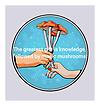
This is a fantastic post friend, I have helped advise hundreds of people wanting to try microdosing or a trip.
In short the micros help build new pathways in your brain over time as a non intrusive supplement . Taking a trip serves as a breakthrough method and can help reset the mind to find new focus, determination and motivation. I have just lowered all my prices if you want to take a look at my page or message me if you want to chat further.
Respect and Gratitude TheFunGuy
In short the micros help build new pathways in your brain over time as a non intrusive supplement . Taking a trip serves as a breakthrough method and can help reset the mind to find new focus, determination and motivation. I have just lowered all my prices if you want to take a look at my page or message me if you want to chat further.
Respect and Gratitude TheFunGuy

A couple of years ago Mushrooms changed my life. Every 2 weeks I was having a bigger and bigger mushroom trip. Going from 2 grams to 6 grams. It was when I was at 3.5G trip. I stopped eating crappy foods. Would only drink tea or Water. Started working out.
The only thing I couldn't stop was smoking.
But quit smoking last year in October when my chest was mega tight and couldn't smoke a J without feeling like my throat was on fire.
I used patches for 3 days
For the 1st week I would light up a J smoke a bit and flush it down the toilet after feeling guilty. And then just quit all together.
To be fair it stopped the crazy dreams you get after 2 weeks of stopping weed. @ 1st I missed the ciggys. But now I just fancy a spliff every so often.
The only thing I couldn't stop was smoking.
But quit smoking last year in October when my chest was mega tight and couldn't smoke a J without feeling like my throat was on fire.
I used patches for 3 days
For the 1st week I would light up a J smoke a bit and flush it down the toilet after feeling guilty. And then just quit all together.
To be fair it stopped the crazy dreams you get after 2 weeks of stopping weed. @ 1st I missed the ciggys. But now I just fancy a spliff every so often.
I personaly smoke way more while I'm on shrooms so I'm not sure if that could work. However if you wanted to quit weed for good you just have to keep yourself busy it's not a big deal even if you're a heavy toker. It's all about your mind set.
You said your busy and it doesn't fit your lifestyle anymore. So it should be easy peezy to drop it as it sounds like becoming a hassle to find time for a quick smoke break in secret. Hanging out with stoners will get you the opposite results even if it's just online looking at buds.
If you need to you can force yourself to quit by going on a vacation for a week or 2 to a place where you can't get weed and have no choice but not to smoke :D
There was an episode on JRE not too long ago about a plant that can reset the brain of serious addicts but need to be used in a clinical setting.
I just think putting down weed is much easier than putting down tobacco.
Also microdosing mushrooms could be another way to uplift your mood and it works for people but even then you would just replace one secret with another and you still need to forget about weed if that's your goal.
You said your busy and it doesn't fit your lifestyle anymore. So it should be easy peezy to drop it as it sounds like becoming a hassle to find time for a quick smoke break in secret. Hanging out with stoners will get you the opposite results even if it's just online looking at buds.
If you need to you can force yourself to quit by going on a vacation for a week or 2 to a place where you can't get weed and have no choice but not to smoke :D
There was an episode on JRE not too long ago about a plant that can reset the brain of serious addicts but need to be used in a clinical setting.
I just think putting down weed is much easier than putting down tobacco.
Also microdosing mushrooms could be another way to uplift your mood and it works for people but even then you would just replace one secret with another and you still need to forget about weed if that's your goal.
Thanks for your comment pal. I blame you your bud is superb lol. Only joking, yeah some great points there which I will consider. You are spot on though if you really want to quit you can take yourself away for a few weeks and it does definitely reset if I’m being honest with myself I don’t feel ready to be completely teetotal. All the best mate
You can always have some edibles at hand. It's probably easier to hide than buds if you're not ready to let Mary J go :)
Anyways best of luck!
Anyways best of luck!
I'm doing this right now mate. I've had 3 decent doses, 3.5, 5.1 and 5.1 again, 2 weeks apart. Set my intentions and on first session had a challenging time, realised why I smoked so heavily though. Went back in to pick up where I left off and on the second trip found that I could deal with the negative thoughts and went through it all one by one. Had the 3rd trip and that was a really positive experience. I carried on smoking between each session but when I ran out I didn't buy more, which never happens. After the 3rd trip I haven't smoked, it has only been 12 days but feel totally refreshed, no longer craving weed every minute of the day. Not craving mushrooms either. I could go into a lot more detail. The mushrooms are a very powerful medicine for the mind. Treat them with respect, set and setting, have good intentions and know what you want to achieve. Be ready for a challenging time. They hold a mirror up to your personality and there is no escape, so be ready for it. Good luck.
Edit - I have also been fasting on and off while doing this, and feel amazing.
Edit - I have also been fasting on and off while doing this, and feel amazing.
Thanks for sharing Juan, glad it’s working well for you I’ve had one joint in 4 days which is good for me. Tempted to get some shrooms in like you say the setting is important so I will have a think about how I can get some time alone. All the best
Hello, thanks for your reply. I've now gone 8 weeks without a smoke, although I did have some gummies around 3 weeks ago, so not entirely stopped with the THC. Mushrooms are amazing, but I only have them every now and again. I will smoke again at some point, but it will not rule my life anymore. Stay safe!


Book yourself a holiday to a country where you can't buy weed.
2 weeks in a warm/sunny country has helped me kick hash a few times.
2 weeks in a warm/sunny country has helped me kick hash a few times.
Hey it's been a while! How is the quitting going? What have tried out so far? I just started trying NAC, and think its working. I gather my smoking bits after work and I've just been forgetting to use them.. Normally flicking around the internet doesn't get me to forget to smoke. They reduce cravings, somehow? Idk if you're doing well or not, but it not, maybe worth a try?
Cheers for your comment pal. I’ve kind of accepted that I smoke weed although I have significantly reduced my intake. Ideally I’d smoke once or twice a week but 7g is better than 24g so slight progess. Its not easy though is it could happily smoke myself silly. Not aware of NAC whats that like weed ominous? Done a few sessions didn’t sit right with me just made me want to smoke more. Hope it goes well for you anyway mate.
So relatable, I'm always creeping up smoking more and threatening to quit but only managing to cut back. I love it when I can get to 7g or less, it suits me better but same as you by the sounds of it, its an ongoing little battle. That NAC its a supplement, like vitamins. It stands for N-acetylcysteine. I swear by it now. Not completely quitting, I'm just trying to smoke less and its working out pretty well. If you give it a go, lmk how it goes. Take it easy :)
Separate nicotine from weed.
Switching from cigarettes to nicotine vapes is super easy, tapering down the nicotine level is a slow but straightforward process.
Once you only vape weed/ hash it’s good, but not the same and without the nicotine it’s pretty easy to break the daily habit. Just my 2c.
Maybe a large dose of mushrooms may change your perspective on smoking, until you’re on a rough comedown and reach for the cigs again. Microdosing to break a smoking habit? yeah zero evidence of that working at all.
Switching from cigarettes to nicotine vapes is super easy, tapering down the nicotine level is a slow but straightforward process.
Once you only vape weed/ hash it’s good, but not the same and without the nicotine it’s pretty easy to break the daily habit. Just my 2c.
Maybe a large dose of mushrooms may change your perspective on smoking, until you’re on a rough comedown and reach for the cigs again. Microdosing to break a smoking habit? yeah zero evidence of that working at all.

mate its easy to come off though if you have been smoking for years without a break it will take you 4-5 weeks to get over the return of REM sleep you might get some crazy dreams but that is about the worst thing that happens.
My problem is tobacco its harder to come off than cocaine so dont try and do both at the same time not sure mushrooms are the answer especially if you are not used to them.
My problem is tobacco its harder to come off than cocaine so dont try and do both at the same time not sure mushrooms are the answer especially if you are not used to them.

Harder to come off than cocaine??? And this shits legal... :/
Crazy world we live in.
Personally I've been using nicotine pouches with great results, I now turn to pouches whenever I get nicotine cravings, seems to do the trick, I now no longer find cigarettes to be appealing I get a stronger and longer lasting nicotine buzz.
Crazy world we live in.
Personally I've been using nicotine pouches with great results, I now turn to pouches whenever I get nicotine cravings, seems to do the trick, I now no longer find cigarettes to be appealing I get a stronger and longer lasting nicotine buzz.
The research that is based on is a bit dubious.
It's based on how many times a monkey will hit a bar for a substance...
It's based on how many times a monkey will hit a bar for a substance...
Drinking green tea and fasting has helped me reduce the amount I smoke, I literally have 1 or 2 joints a night now,
Hypnotherapy might be a good shout as well, most addictions hide trauma's or is down to boredom (which is a lot of men these days).
Hypnotherapy might be a good shout as well, most addictions hide trauma's or is down to boredom (which is a lot of men these days).
Yeah good suggestions pal. Not smoked for 5 days and feel ok now, first few days felt like a crackhead. Im just going to Buy one or two pre rolls a week so i haven’t got weed lingering. It’s nice to know I can go without and be okay but stress and boredom are triggers for me.

Same here it’s hard to fill that gap, I’m down to one a night which is ok but ultimately I felt a little weird and on edge with out it, let alone the boredom 😒 It’s finding the balance I guess
Yeah spot on mate, I was smoking every day and I was needing to smoke to feel normal. It makes me appreciate it when i do have a smoke. Much rather be doing this once a week than getting battered on alcohol which is what I would be doing if I didn’t have the plant.
6 posts
+9 votes
on
{cannabis}
Cannabis Quality/Tolerance
started topic
+ 5 more
on
{cannabis}
Cannabis Quality/Tolerance
Evening all,
Found recently that weed has stopped doing anything for me. Feel briefly stoned whilst I’m smoking and then nothing normal again. I don’t know if it’s the quality of the weed or if my tolerance has become too high. Purely smoke now because I feel less agitated but in terms of feeling “stoned” just doesn’t happen. Anyone else experience anything similar? I generally don’t even smoke that much probably a gram a day.
Found recently that weed has stopped doing anything for me. Feel briefly stoned whilst I’m smoking and then nothing normal again. I don’t know if it’s the quality of the weed or if my tolerance has become too high. Purely smoke now because I feel less agitated but in terms of feeling “stoned” just doesn’t happen. Anyone else experience anything similar? I generally don’t even smoke that much probably a gram a day.

As someone who has been abusing cannabis for over 25 years if you wanna get smashed take a 10 day break that what I done. Had 2 edibles and a dab and thought I was travelling through space

yeah but i looked into this and strongest argument seems to be that the dragon is caught for but one night before it escapes, tolerance is back, and the chase begins all over again.
so i'd counter by saying might as well not bother. 10 days for one night? rather you than me lol.
instead try mixing some landrace strains with your more thc-dominant products to make them sing. like a catalyst.
dapperdank's thai stick is good for an uppy, more stimulating aspect, and i found your natural medicine's king of ghana to product some really nice bodily effects. these are the only two landrace i have experience with on here tbf.
ymmv obviously, but you can try
so i'd counter by saying might as well not bother. 10 days for one night? rather you than me lol.
instead try mixing some landrace strains with your more thc-dominant products to make them sing. like a catalyst.
dapperdank's thai stick is good for an uppy, more stimulating aspect, and i found your natural medicine's king of ghana to product some really nice bodily effects. these are the only two landrace i have experience with on here tbf.
ymmv obviously, but you can try
Cheers bro will try some of his Thai stick I think at least it’s not going to break the bank either
It’s not if you don’t want too, you can do it, dm if you need any help. Also he’s CBD as a substitute will help as well
Hey dkblue! What are you smoking, and how are you smoking it? I reckon there will be something in the glourious land that is little biggy, that will get you stoned.
Hi Iain,
Thanks for your reply, whatever I like the look of generally, nothing in particular. It is hit and miss for me on here, but probably a combination of me overdoing it and not buying the right product.
Thanks for your reply, whatever I like the look of generally, nothing in particular. It is hit and miss for me on here, but probably a combination of me overdoing it and not buying the right product.
1 post
+1.5 votes
on
{cannabis}
Hidden smoking establishment
started topic
on
{cannabis}
Hidden smoking establishment
Anyone know of any in the UK that has any of these establishments open to new punters? Going Amsterdam in May but would be cool to find somewhere at home to visit.
Cheers,
DK
Cheers,
DK

2 posts
+3.8 votes
Thai Weed
started topic
+ 1 more
Thai Weed
Hey hey,
Who’s got the best Thai stick on here? Just looking for a mellow day time for work.
Thanks 🙏
Who’s got the best Thai stick on here? Just looking for a mellow day time for work.
Thanks 🙏

https://littlebiggy.net/link/LunprZ
This is the only Thai stick from a vendor with a reasonable rep
This is the only Thai stick from a vendor with a reasonable rep
its really good. i had a sample myself and would recommend. plan to buy more. i found it v uppy, surprisingly so, made for a v useful option. has a v unique flavour profile though kinda smokey-cured like a fine tobacco, so maybe try a smaller bit first
2 posts
+3.2 votes
Dodgy Stick
started topic
+ 1 more
Dodgy Stick
Anyone got a contact you could point me towards? I’ve got a friend who’s depressed as hell doesn’t do anything. One of these would really help him as he could watch all the sports etc.. thanks a lot
4 posts
+3 votes
Cali packs
started topic
+ 3 more
Cali packs
Anyone sell reasonably price Cali packs on here? All seem around £100 - can get them for £55 off the local dealer, seem expensive on here.

I'm just chuckling at £55 Cali packs.
Loads of good homegrown/UK options about. Going to be way better than £55 Cali packs
Loads of good homegrown/UK options about. Going to be way better than £55 Cali packs

Better buying it loose of trusted vendors bud you don’t need a shiny pack to make it good weed bro 😎

Tbf brands like QC Farms go for around £130 a q. Others like Rare Exotics can go from £60 a 3.5, however most of their strains are usually sold in 7g jars ranging from £120-£150 depending on the strain. Ten Co I’ve seen going for £170 a q lately.
You're not going to find real cali stuff anywhere for a good price. Simple as that. It costs around $35-55 in california to buy an 8th. It's absolutely dumb to think you're going to be paying any less than £100 for a REAL 8th.
Any 'cali' weed you've smoked is likely cheap weed packaged in cheap packaging. QR codes mean nothing by the way. There is no chance you're getting real dispensary quality weed for £55. You'll be getting a cheap weed that is indeed from california, but is not licensed (meaning it hasn't been tested)
Any vendor selling cali stuff which is 'freshly imported' is a liar. Just buy UK grown stuff, I really don't get why people want to just blow their money on some chinese packaging and B grade weed.
Any 'cali' weed you've smoked is likely cheap weed packaged in cheap packaging. QR codes mean nothing by the way. There is no chance you're getting real dispensary quality weed for £55. You'll be getting a cheap weed that is indeed from california, but is not licensed (meaning it hasn't been tested)
Any vendor selling cali stuff which is 'freshly imported' is a liar. Just buy UK grown stuff, I really don't get why people want to just blow their money on some chinese packaging and B grade weed.
I've been smoking for nearly 40 years and all of this is 100% spot on.
You CAN get proper Cali grown over here but the real thing is few and far between. And yes it's usually at least £90+ for a 3.5.
However, we are lucky in the UK as we have some truly stunning growers taking things very seriously now. THC23 is smashing it with his UK connects these days, I've tried many sellers on here and nothing touches his consistency.
You CAN get proper Cali grown over here but the real thing is few and far between. And yes it's usually at least £90+ for a 3.5.
However, we are lucky in the UK as we have some truly stunning growers taking things very seriously now. THC23 is smashing it with his UK connects these days, I've tried many sellers on here and nothing touches his consistency.

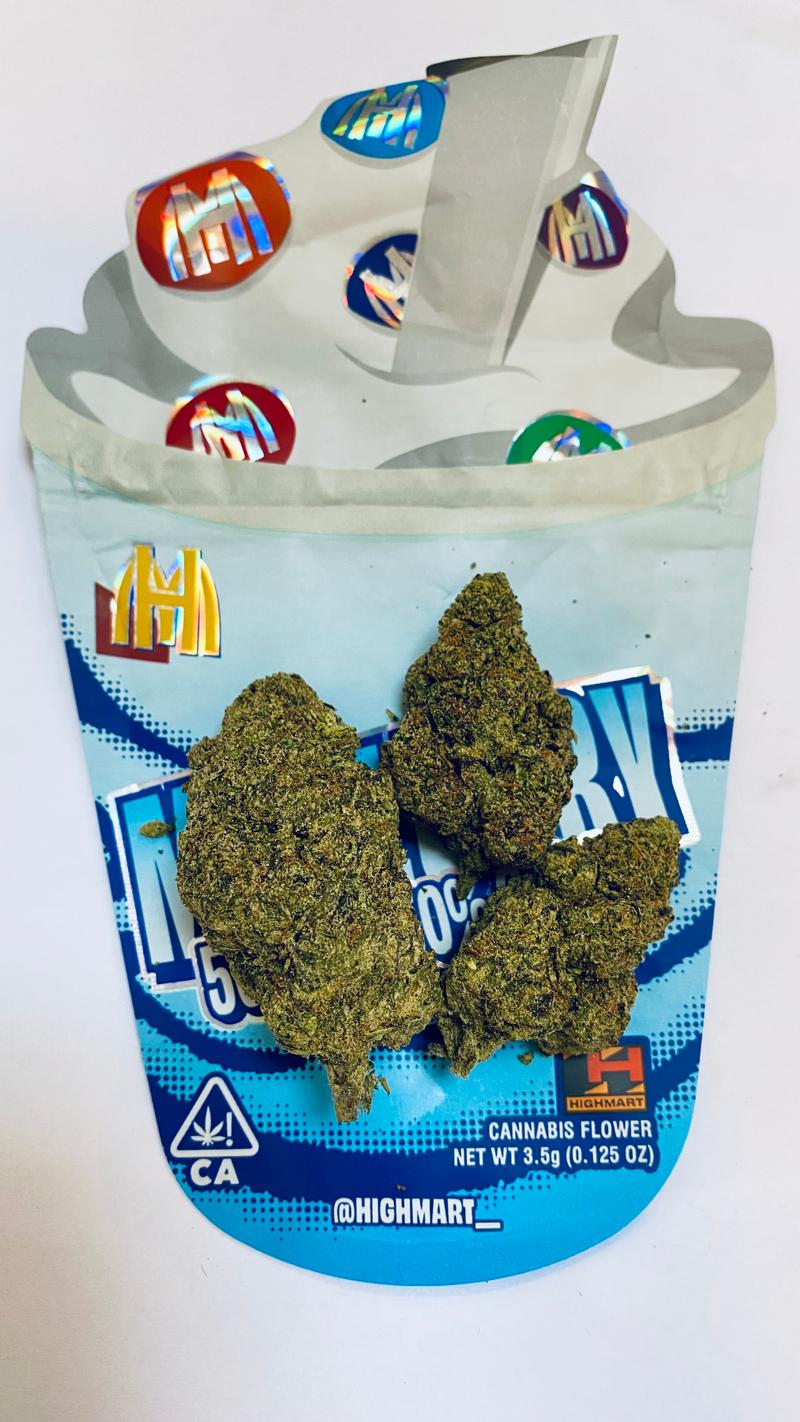
Lol I take it from the comments I haven’t been smoking Cali is most likely shite. Does look nice on the eye though but does all smell and look the same 😆
2 posts
+4 votes
on
{lb help}
Changing review
started topic
+ 1 more
on
{lb help}
Changing review
Morning,
Saved my review before leaving comments. Being thick could anyone talk me through on how I amend.
Cheers,
Saved my review before leaving comments. Being thick could anyone talk me through on how I amend.
Cheers,

Good morning.
You can navigate back to your order by clicking on the order tab when logged in. There you will find the review you left with an option to edit. Orders disappear after 40 odd days and are gone for good.
You can navigate back to your order by clicking on the order tab when logged in. There you will find the review you left with an option to edit. Orders disappear after 40 odd days and are gone for good.
2 posts
+8 votes
DMT
started topic
+ 1 more

I have made it loads of times with great success, check out the dmtnexus for instructions, but be very careful if you do decide to make it as some of the steps can be dangerous if not followed correctly! Every batch I made cost me around £50/75 for all the ingredients I needed and I would easily pull 2/3 grams of pure white dmt crystals over 3 extractions :)
Why not sell it if you know the science behind it sounds like a no brainer
I just looked at dmtnexus and it says you don’t have to be a chemist to make it but to me it looks like that
If it costs you £75 to make 2-3g
From what I’ve seen on prices people pay £10-0.1g even if you could sort a nicer price that’s easy money and your helping people beak through
Seems silly not to it’s a rarity to find would help a lot of people out 🤷♂️
I just looked at dmtnexus and it says you don’t have to be a chemist to make it but to me it looks like that
If it costs you £75 to make 2-3g
From what I’ve seen on prices people pay £10-0.1g even if you could sort a nicer price that’s easy money and your helping people beak through
Seems silly not to it’s a rarity to find would help a lot of people out 🤷♂️
When I used to make it I used to gift it to people tbh and let them have the experience from the dmt I wasn't in it for a profit... But yh the going rate is the same as cocaine prices.. you don't have to be a chemist to be able to make it at all, I don't even have a GCSE in science and I fully managed to understand the process and learn all the steps by step instructions on how to do it... You just have to follow everything precisely as instructed, being a chef probably helped me as it's a bit like following a recipe lol....
Just go to chris cantelmo on youtube if you want some, he has the way.
It's very easy, very cheap and all things needed are freely available.
Sell it yourself big dog, you're a vendor anyways.
It's very easy, very cheap and all things needed are freely available.
Sell it yourself big dog, you're a vendor anyways.
When i have long sessions on it and appear from the room i was in, i look like i've literally just woken up from a very long nap.
When your super tired and smoking weed it can be somewhat similar to dmt, when you're half asleep eyes barely open.
I'm pretty sure dmt is released when we dream and it runs through children's brains as they play.
It takes you places, imo it's the 4th dimension as we can see in 3d there, unlike here in the 3d world we see in 2d.
we can see in 3d in this world by keeping our eyes open.
Staring at the morning /evening sun (when it's not bright) is good for the pineal gland.
nothing decalcifies it like skate liver oil tho, skate, also known as the rat fish.
Yes i'm smoking it right now.😁
When your super tired and smoking weed it can be somewhat similar to dmt, when you're half asleep eyes barely open.
I'm pretty sure dmt is released when we dream and it runs through children's brains as they play.
It takes you places, imo it's the 4th dimension as we can see in 3d there, unlike here in the 3d world we see in 2d.
we can see in 3d in this world by keeping our eyes open.
Staring at the morning /evening sun (when it's not bright) is good for the pineal gland.
nothing decalcifies it like skate liver oil tho, skate, also known as the rat fish.
Yes i'm smoking it right now.😁
2 posts
+3 votes
Green Tea
started topic
+ 1 more
Green Tea
Anyone ever tried putting this in a spliff lol? I smoke pure so going to try adding a bit to see if it smokes



Fucking hell just brought back memories there, rolling up green tea fags to get the ash (naughty times)
Well you could use it as a bed to smoke DMT or any other melty drug ;-) Not recommending this, desperate times desperate measures.
1 post
+7 votes
Does cannabis make adults more intelligent?
started topic
There is a brilliant theory about being high and short term memory. Apparently in normal day to day life the brain constantly filters to prevent sensory overload, we just can’t process all the wonder around us. Forgetting is a necessary and natural function.
When high we basically forget to forget, so we sense everyday things around us including nature, taste, music etc with genuine ‘wonder’…
Nice huh?😍
When high we basically forget to forget, so we sense everyday things around us including nature, taste, music etc with genuine ‘wonder’…
Nice huh?😍
Dude, you're just like an encyclocannapedia.
Do you want to stand in my constituency? I'd vote for you.
Do you want to stand in my constituency? I'd vote for you.
im autistic so yes, it helps with sensory overload, i passed my biology exam stoned, i was the only one in class who actually turned up for the exam, halfway through i was struggling so i hit my pipe out the window, the tutor came in from the other room sniffed the air then shrugged.

Let's just say I was scraping by happily in non skilled low paying job when I decided to get stoned and ponder my life. I decided I would become a software engineer who works from home earning good money whilst getting stoned all day... Ladies and gentlemen, I fulfilled my lowly target 🤣 but seriously I feel very successful now and can mix it with the best of them.

Nope 🤣🤣
An argument for it being a smarter alternative to alcohol also the effects of weed make me feel calmer so I find it easier to concentrate sadly don't think can say weed itself makes you smarter tho it would be nice 💨💨🧠
An argument for it being a smarter alternative to alcohol also the effects of weed make me feel calmer so I find it easier to concentrate sadly don't think can say weed itself makes you smarter tho it would be nice 💨💨🧠
Cannabis certainly helps us see the truth so through the eyes and ears of an onlooker we may seem intelligent, surely intelligence is needed to get to the truth or maybe a big hit on something tasty and strong.
I recently did 3 A levels while stoned so cannabis certainly didn't make me unintelligent and i have been using it for 35 years.
I recently did 3 A levels while stoned so cannabis certainly didn't make me unintelligent and i have been using it for 35 years.
I don't know much about intelligence but I do know it is entwined with clumsiness and stupidity the latter two are increasing.
4 posts
+5 votes
Barcelona
started topic
+ 3 more
Barcelona
Evening all,
I wondered if anyone on here has any insight into the weed scene in Barcelona as I’m going for 3 days in August.
Can you turn up to a dispensary on the day? Anyone have insights or recommendations?
Cheers,
I wondered if anyone on here has any insight into the weed scene in Barcelona as I’m going for 3 days in August.
Can you turn up to a dispensary on the day? Anyone have insights or recommendations?
Cheers,
The Sensi Social Club in Barcelona is a good choice the poeple that run it are English > very informative also and a huge range of flower and hash
€20 & ID
€20 & ID

Been there a few times always use weedmaps, email them or social media and you can get invite, also there are lots of reps going around aswell , dont just turn up as they wont let you in need invite to them all, and some have sister stores and you get in those on same pass . hope you enjoy 💖

You need membership to access clubs in Barcelona.
The easiest way is to give them a message on Faceb00k or Inst4gram asking if you can come. Then you will pay for membership which will cost you around €20 usually.
Don't just show up on the day.
Gorilla Social Club and Dank Grass Club are my recommendations. Both have a good contrast of both prices and quality.
Gorilla has a chill environment and Dank Grass gives you free breakfast if you buy something in the morning 😂
@gorillasocialclub and @dankgrassclub on IG
The easiest way is to give them a message on Faceb00k or Inst4gram asking if you can come. Then you will pay for membership which will cost you around €20 usually.
Don't just show up on the day.
Gorilla Social Club and Dank Grass Club are my recommendations. Both have a good contrast of both prices and quality.
Gorilla has a chill environment and Dank Grass gives you free breakfast if you buy something in the morning 😂
@gorillasocialclub and @dankgrassclub on IG
1 post
+2 votes
New Euromillions 4000mg Munch Box Giveaway + Price drop!
Number 14 plz, cheers.
New Euromillions 4000mg Munch Box Giveaway + Price drop!
Simple little giveaway/competition again as its a good way to gain votes/visibility and gives back to the people who make this site what it is, brilliant!
Up for grabs is a 4000mg Munch Box!
To enter, pick a number between 1-50,
and comment below, the FIRST ball to drop on the Euromillons will be the winner.
The draw is this Friday 7th June 2024, the winner will be announced on Saturday 8th June 2024.
One number per user, once 50 numbers have been selected then no more entrees.
For fairness and to go by LB’s rules any one considered the winner will need some buy history.
Good luck!
New price drop and the prices are here to stay!
APPLE AND CUSTARD 500MG $15
COLA BOTTLES 500MG $15
GUMMY BEARS 500MG $15
CANNALEAN 1000MG $20
CHOCOLATE BARS 500MG $15
Deals on bulk orders.
Up for grabs is a 4000mg Munch Box!
To enter, pick a number between 1-50,
and comment below, the FIRST ball to drop on the Euromillons will be the winner.
The draw is this Friday 7th June 2024, the winner will be announced on Saturday 8th June 2024.
One number per user, once 50 numbers have been selected then no more entrees.
For fairness and to go by LB’s rules any one considered the winner will need some buy history.
Good luck!
New price drop and the prices are here to stay!
APPLE AND CUSTARD 500MG $15
COLA BOTTLES 500MG $15
GUMMY BEARS 500MG $15
CANNALEAN 1000MG $20
CHOCOLATE BARS 500MG $15
Deals on bulk orders.

Thanks for the competition. I'll have no.7 if available.
Many thanks 11.15am 04/06/2024
Many thanks 11.15am 04/06/2024
08/06/2024 13:14:
Congrats to Dman150 with number 15!
The Friday 7th June EuroMillions first ball to drop was number 15.
Congrats to Dman150 with number 15!
The Friday 7th June EuroMillions first ball to drop was number 15.
04/06/24 - 22:46
13 Numbers Left!
Available Numbers:
5, 6, 7, 20, 22, 31, 32, 34, 38, 39, 44, 45, 46
Nickyblaze247 - 1
Leamo - 2
Psyllium - 3
xanda4100 - 4
Wicked - 8
Jamie22 - 9
Dwig - 10
BigD9328 - 11
Damitra12 - 12
MoJaM - 13
dkbluebears - 14
Dman150 - 15
TheBigMack - 16
HarvMac - 17
Silverthorn - 18
Romfordian - 19
Johnnyh2 - 21
king_unknwn - 23
Scran_man420 - 24
Batmanravesat25 - 25
kimmy - 26
Nomad89 - 27
krustytheclown - 28
mjdace - 29
Jimmy Boco - 30
Comfortablenumb - 33
haggy331 - 35
rockyroad - 36
4nthraxc4t - 37
Ziggydcat - 40
Chinny36 - 41
steddyreddy - 42
tnicho - 43
bleakov3n - 44
Kwood - 47
Esoyd8134 - 48
FuriousStyles - 49
TWDuke - 50
13 Numbers Left!
Available Numbers:
5, 6, 7, 20, 22, 31, 32, 34, 38, 39, 44, 45, 46
Nickyblaze247 - 1
Leamo - 2
Psyllium - 3
xanda4100 - 4
Wicked - 8
Jamie22 - 9
Dwig - 10
BigD9328 - 11
Damitra12 - 12
MoJaM - 13
dkbluebears - 14
Dman150 - 15
TheBigMack - 16
HarvMac - 17
Silverthorn - 18
Romfordian - 19
Johnnyh2 - 21
king_unknwn - 23
Scran_man420 - 24
Batmanravesat25 - 25
kimmy - 26
Nomad89 - 27
krustytheclown - 28
mjdace - 29
Jimmy Boco - 30
Comfortablenumb - 33
haggy331 - 35
rockyroad - 36
4nthraxc4t - 37
Ziggydcat - 40
Chinny36 - 41
steddyreddy - 42
tnicho - 43
bleakov3n - 44
Kwood - 47
Esoyd8134 - 48
FuriousStyles - 49
TWDuke - 50










1 post
+2 votes
on
{lb help}
Kraken
started topic
on
{lb help}
Kraken
Hi,
I’m new to LB but read through all relevant help info and decided to go with kraken to withdraw btc. Noticed when completing first order last night that the fees were expensive. Is this the best platform to use or would anyone advise of any other with more reasonable fees for withdrawing?
Cheers
I’m new to LB but read through all relevant help info and decided to go with kraken to withdraw btc. Noticed when completing first order last night that the fees were expensive. Is this the best platform to use or would anyone advise of any other with more reasonable fees for withdrawing?
Cheers

Kraken is the cheapest right now for fees. You need to be using Kraken Pro though and put in limit orders. Google is your best friend :)

bigg topics