

Yo yo Ewan my brother! Take this advice from an old boy who’s been cropping since the early 90s….
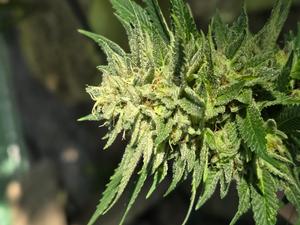
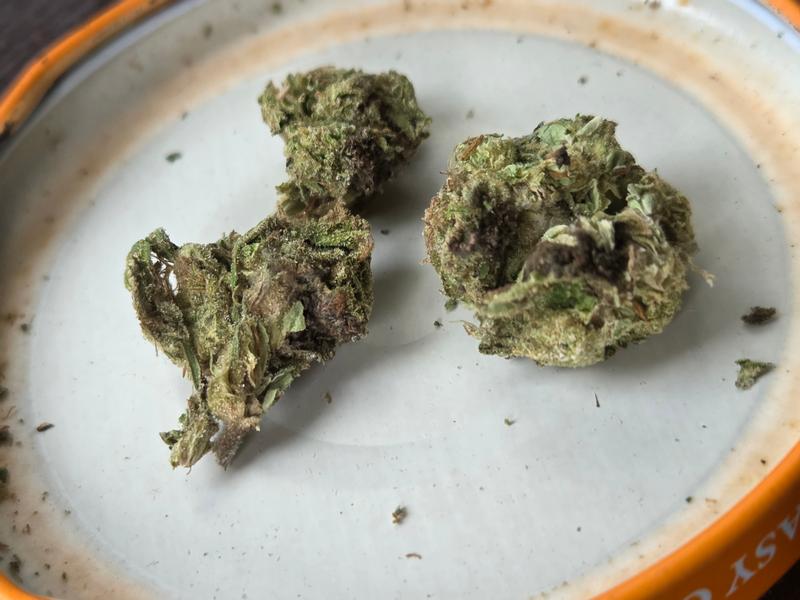
So indoor cannabis grows create a warm, humid microclimate where fungi thrive if conditions slip even slightly out of balance. Black mold (often associated with issues like Botrytis cinerea or other mold species) doesn’t spread evenly across a room because airflow, humidity, and plant density aren’t perfectly uniform. Some branches—especially dense colas or shaded inner growth—trap moisture more easily, creating tiny pockets where humidity stays high and air becomes stagnant. That’s why you can see a few affected buds or plants while everything else still looks healthy.
The best way to avoid it is strict environmental control and consistency. Keep relative humidity in check (generally 40–50% during flowering), maintain strong, even airflow across and through the canopy, and avoid overcrowding plants. Regular pruning helps open up dense areas so moisture can’t get trapped. It’s also important to monitor for early signs—like soft spots or discoloration—and remove affected material immediately before spores spread. Cleanliness (tools, grow space, and filters) and stable temperature swings are just as critical, because mold often takes hold when conditions fluctuate rather than when they’re simply “not perfect.”
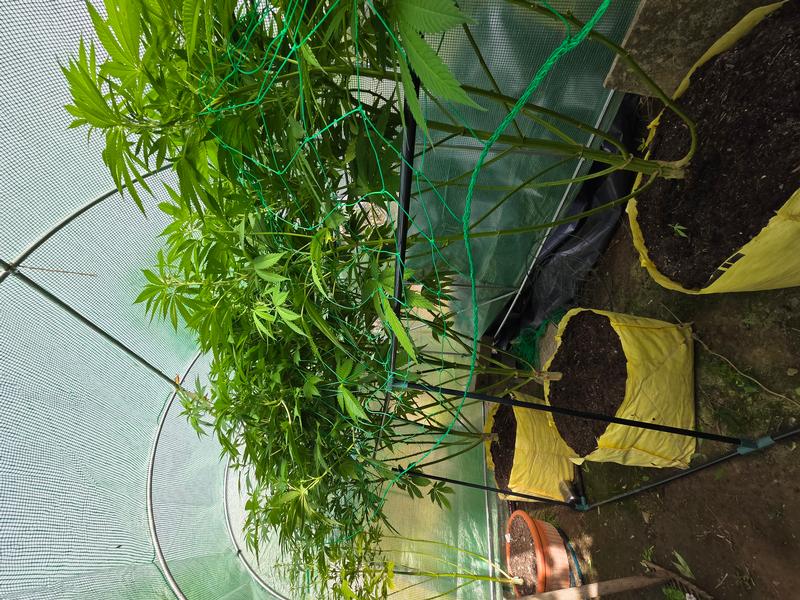
Organic grows are so easy to control mold compared to Hydro etc naturally as you have to factor water evaporation from your systems also, even the best dialled environment controlled rooms / pharma company factories etc all deal with mold
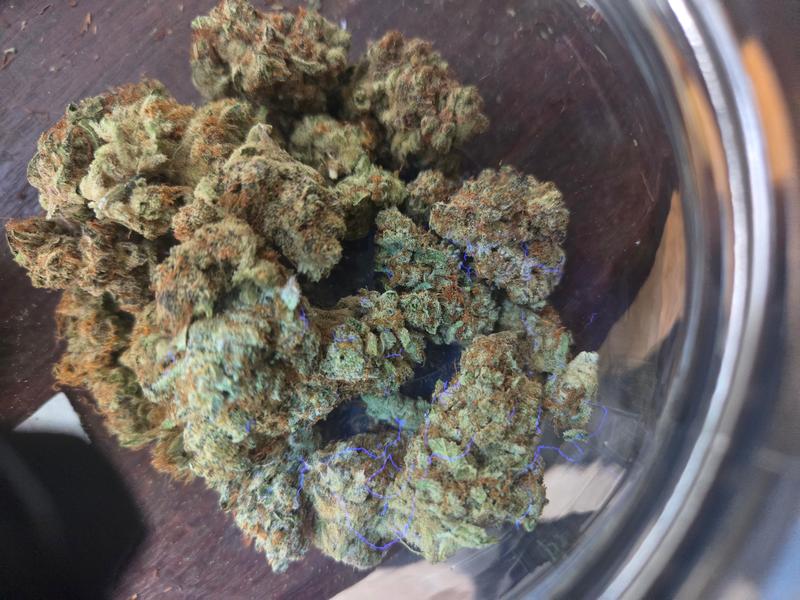
I stick to old school strains usually and modern genetics are a joke and result in crazy looking plants with huge flowers rather than lots of medium / smalls sites
One last thing is some people think they’ve had a mold free grow and when trimming / cutting down they realise that any bud that’s been resting against a sheet / wall etc has mold
It’s a non stop battle Ewan and I hope you are doing well and enjoying 2026 xx
So indoor cannabis grows create a warm, humid microclimate where fungi thrive if conditions slip even slightly out of balance. Black mold (often associated with issues like Botrytis cinerea or other mold species) doesn’t spread evenly across a room because airflow, humidity, and plant density aren’t perfectly uniform. Some branches—especially dense colas or shaded inner growth—trap moisture more easily, creating tiny pockets where humidity stays high and air becomes stagnant. That’s why you can see a few affected buds or plants while everything else still looks healthy.
The best way to avoid it is strict environmental control and consistency. Keep relative humidity in check (generally 40–50% during flowering), maintain strong, even airflow across and through the canopy, and avoid overcrowding plants. Regular pruning helps open up dense areas so moisture can’t get trapped. It’s also important to monitor for early signs—like soft spots or discoloration—and remove affected material immediately before spores spread. Cleanliness (tools, grow space, and filters) and stable temperature swings are just as critical, because mold often takes hold when conditions fluctuate rather than when they’re simply “not perfect.”
Organic grows are so easy to control mold compared to Hydro etc naturally as you have to factor water evaporation from your systems also, even the best dialled environment controlled rooms / pharma company factories etc all deal with mold
I stick to old school strains usually and modern genetics are a joke and result in crazy looking plants with huge flowers rather than lots of medium / smalls sites
One last thing is some people think they’ve had a mold free grow and when trimming / cutting down they realise that any bud that’s been resting against a sheet / wall etc has mold
It’s a non stop battle Ewan and I hope you are doing well and enjoying 2026 xx