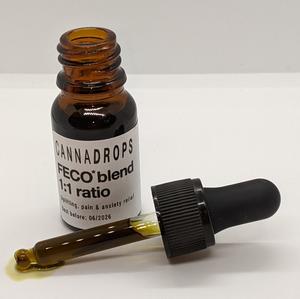
I’ve been using & growing cannabis for over 30 years, being on the older side, my use has shifted to a more medicinal purpose rather than recreational and being more health conscious, my method of consumption has also changed from smoking to dry herb vaping and oils.
It’s never been a better time for cannabis users with so many strains, extracts & devices to consume them all with but I’m surprised to see that a lot of people still smoke their weed.
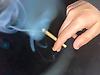
Setting plant matter on fire is one of the least efficient and harshest ways to consume it!
When you light a joint, the temperatures reach between 600°C and 900°C during a draw. Because cannabinoids vaporise at much lower temperatures, THC starts boiling around 157°C, CBD between 160°C - 180°C and CBN at around 185°C, an open flame incinerates a massive portion of the active compounds before they ever reach your lungs.
Smoking delivers roughly 10% to 25% of the available cannabinoids in your flower; the rest is destroyed by extreme heat or lost as side-stream smoke into the air.
Dry herb vaping, which operates in a controlled 160°C to 220°C window (typically starting around 180°C), extracts roughly 30% to 55%+ of the available cannabinoids.
You get noticeably more out of the exact same amount of flower and as a bonus, your leftover "already vaped bud" (AVB) is already decarboxylated and can be reused for edibles or infusions (I never use AVB in my oils though)
Burning any dried plant matter above 500°C triggers chemical reactions that generate tar, carbon monoxide, and over 100 toxic by-products including known carcinogens like benzene, toluene, naphthalene, and polycyclic aromatic hydrocarbons.
Because dry herb vaporisers heat flower below the point of combustion, they prevent smoke and ash from forming in the first place. Studies have shown that vaporising around 185°C-200°C completely eliminates benzene, toluene, and naphthalene while dropping carbon monoxide exposure to near-zero levels.
While inhaling any heated aerosol isn't 100% risk-free, especially if you push temperatures right up against the 230°C combustion threshold, vaping eliminates the overwhelming majority of smoke-related carcinogens.
Terpenes - the aromatic oils responsible for a strain's scent, flavour, and nuanced effects are delicate compounds with low boiling points, mostly vaporising between 155°C and 199°C:
Alpha-pinene (pine, alertness): ~156°C
Myrcene (earthy, relaxing): ~167°C
Limonene (citrus, uplifting): ~176°C
Linalool (floral, calming): ~198°C
When you smoke, these volatile compounds are scorched instantly, masking the cultivar's true profile behind burnt carbon and paper.
Vaping preserves the terpene spectrum so you actually taste the strain.
It also produces a cleaner, more complete effect. By "temperature-stepping" a session, starting at 180°C for flavour and uplifting terpenes, then stepping up to 195°C-210°C for deeper cannabinoids, you unlock the full entourage effect without the groggy "head rush" caused by smoking's carbon monoxide and oxygen deprivation.
There are numerous dry herb vaporisers to suit anyone’s particular style of consumption, my preference is a Storz & Bickel Venty, it cost quite a lot of money at £380, but it’s saved more money than that over the last couple of years due to needing far less cannabis to reach the same satisfaction level as smoking a joint, 0.2g in my vape easily replaces a 0.5g joint.
I’ve gone from using around 3.5g / week to 1.5g / week. So, consider a decent dry herb vaporiser an investment & don’t waste your money on a cheap one.